Unlocking Tile Beauty: How Grout Recoloring Revitalizes Dirty-Looking Grout in Lancaster, Reading, and York
Serving Lancaster, Reading, York, and Robesonia
Understanding the Porosity Problem
Grout is inherently porous, a characteristic that makes it vulnerable to deep staining that standard cleaning cannot address. When you scrub your tile floors or shower walls and the grout lines remain discolored, the issue is not surface dirt. The problem lies beneath the surface, where pigments, minerals, and organic compounds have penetrated the grout matrix itself. Even aggressive scrubbing with commercial cleaners will remove surface grime, but it cannot extract the embedded stains that have bonded with the grout’s internal structure.
Across Lancaster, Reading, and York, homeowners frequently encounter this challenge due to the region’s hard water composition. Mineral deposits from calcium and magnesium accumulate within grout pores over months and years, creating a yellowed or gray appearance that resists conventional cleaning methods. In older homes throughout Robesonia and the Philadelphia suburbs, original grout installations that were never sealed absorb everything they contact: cooking oils in kitchens, soap residue in bathrooms, and tracked-in dirt from entryways. Once these substances penetrate the grout, they alter its color permanently.
The porous nature of cement-based grout means it functions like a sponge at the microscopic level. Each cleaning cycle may eliminate what sits on top, but the discoloration within remains untouched. This explains why freshly cleaned grout often looks only marginally better than before you started. Professional tile and grout restoration in Reading, PA addresses this fundamental limitation by transforming the grout’s appearance from within, rather than attempting to clean what cannot be cleaned.
How Recoloring Differs from Cleaning
Cleaning and recoloring serve entirely different purposes, though many property owners initially assume they are variations of the same service. Cleaning removes surface contaminants such as dirt, mildew, and loose debris. It can restore some brightness to grout that has only superficial soiling, but it cannot change the color of grout that has been chemically or physically altered by years of exposure. Recoloring, by contrast, applies a specialized epoxy-based coating that bonds to the grout surface and creates a new, uniform color layer that conceals all underlying discoloration.
When you clean grout in a York home built in the 1980s or 1990s, you are working with grout that has likely never been sealed and has absorbed decades of staining agents. No amount of scrubbing will reverse that absorption. Recoloring provides a permanent solution by essentially resurfacing the grout with a pigmented sealer that is impervious to staining. This process does more than hide discoloration; it also creates a protective barrier that prevents future absorption of liquids and contaminants.
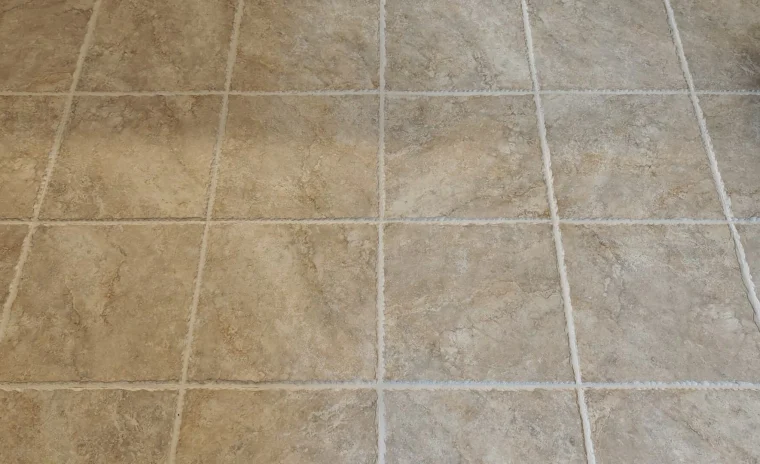
The transformation is immediate and dramatic. Grout that appeared dingy gray or brown despite repeated cleaning efforts becomes a consistent, vibrant color of your choosing. Many homeowners throughout Lancaster County select colors that complement updated tile designs or refresh outdated installations without the expense of complete tile replacement. The difference between cleaning and recoloring becomes evident the moment the application is complete: what cleaning could not accomplish in hours of labor, recoloring achieves in a single professional treatment. For those considering a full restoration, our tile restoration services combine both deep cleaning and recoloring for optimal results.
The Professional Application Process
Professional application begins with thorough preparation, a step that determines the longevity and appearance of the final result. The tile and grout surfaces must be meticulously cleaned using commercial-grade equipment and solutions that remove all oils, soap scum, mineral deposits, and biological growth. This deep cleaning ensures that the recoloring agent will bond properly to the grout rather than sitting atop a layer of residue. Any repairs to cracked or missing grout are completed during this preparatory phase, creating a smooth, intact substrate for the colorant.
Once the surface is prepared and fully dried, a specialized grout colorant is applied by hand using precision applicators. This epoxy-based formula penetrates the grout surface while simultaneously coating it, ensuring both adhesion and durability. The application requires steady hands and attention to detail; excess colorant must be removed from tile faces immediately to prevent haze or streaking. Technicians work methodically across the entire grouted area, maintaining consistent coverage and color density. The process typically takes several hours for an average-sized bathroom or kitchen, depending on the square footage and grout line density.
After application, the colorant cures to form a hard, stain-resistant surface that typically reaches full hardness within 24 to 48 hours. During this curing period, the treated area should remain dry and undisturbed. The result is grout that not only looks new but also resists the staining and discoloration that plagued the original installation. Homeowners in Reading and Lancaster appreciate that this process delivers results that last for years, unlike topical sealers that wear away within months. To schedule a professional assessment, contact us for a free estimate tailored to your specific flooring or shower restoration needs.
Regional Challenges in Pennsylvania
The climate and water conditions throughout Lancaster, Reading, York, and surrounding areas create specific challenges for grout maintenance. Winter freeze-thaw cycles can cause micro-cracking in grout, especially in entryways and mudrooms where moisture and temperature fluctuations are most pronounced. These tiny fissures become pathways for staining agents to penetrate even deeper into the grout matrix, accelerating discoloration. During humid summer months, mold and mildew thrive in poorly ventilated bathrooms, leaving dark streaks and spots that embed themselves in unsealed grout.
Hard water is a persistent issue in many Pennsylvania municipalities. The mineral content in local water supplies leaves chalky residue on tile and grout surfaces, contributing to a dull, filmy appearance that compounds over time. Homeowners who use well water often face even greater challenges, as iron and manganese can stain grout orange or brown. These conditions are not isolated to neglected properties; even meticulously maintained homes experience grout discoloration simply due to environmental exposure.
Older homes in historic neighborhoods throughout York and the Philadelphia suburbs often feature original tile installations from the 1970s through 1990s, when grout sealing was not standard practice. These installations have absorbed decades of staining and are prime candidates for recoloring. The transformation not only restores visual appeal but also protects the grout from further degradation, preserving the tile installation for years to come. Our York, PA restoration services address these region-specific concerns with solutions designed for long-term performance in Pennsylvania’s variable climate.
Why Professional Restoration Delivers Lasting Results
Attempting grout recoloring as a do-it-yourself project often leads to disappointing outcomes. Retail grout colorants lack the durability and bonding strength of professional-grade products, and application errors such as uneven coverage, streaking, or inadequate surface preparation result in a finish that fails prematurely. Professional technicians bring specialized training, commercial equipment, and years of hands-on experience to every project, ensuring that the recoloring process is executed correctly from start to finish.
Professional application also includes proper surface preparation that homeowners typically cannot replicate. Industrial-grade cleaning equipment removes embedded contaminants that household tools cannot reach, creating the clean substrate necessary for strong adhesion. Technicians understand how different tile materials, grout compositions, and environmental conditions affect the recoloring process, allowing them to adjust techniques and products accordingly. This level of precision ensures a uniform appearance and maximum durability.
Beyond the immediate visual transformation, professional restoration extends the functional life of your tile installation. Sealed, recolored grout is dramatically easier to maintain; routine cleaning with mild detergents keeps it looking fresh without the need for harsh chemicals or abrasive scrubbing. This ease of maintenance is particularly valuable in high-traffic kitchens, bathrooms, and commercial spaces where cleanliness and appearance directly impact property value and user satisfaction. For property owners throughout Lancaster, Reading, and the greater Philadelphia region, investing in professional restoration delivers tangible, lasting value that far exceeds the cost of temporary fixes.
If your grout lines remain discolored despite your best cleaning efforts, it may be time to explore a permanent solution. Professional recoloring restores beauty, simplifies maintenance, and protects your investment for years ahead. Visit our contact page to schedule an assessment and discover how restored grout can transform your home or business.